Common Thanksgiving Hazards for Dogs: Your Guide to a Safe Holiday Feast
The aroma of roasting turkey, the warmth of the kitchen, and the happy chaos of family gathering—Thanksgiving is a feast for the senses. As you’re bustling around, preparing the big meal, it’s easy to look down and see those big, hopeful puppy eyes staring up at you. It’s so tempting to share a little sliver of turkey or a spoonful of mashed potatoes. After all, they’re part of the family, right? But as loving pet parents, the kindest thing we can do is resist that temptation. The day after Thanksgiving is notoriously one of the busiest days for veterinary emergency rooms, a phenomenon vets grimly refer to as the “Turkey Day Hangover.” Many of the delicious foods that make our holiday special are serious thanksgiving hazards for dogs, leading to everything from an upset stomach to life-threatening emergencies.
At The Canine Outpost, we believe that enrichment and safety go hand-in-hand. A truly fulfilling life for your dog includes being a part of family traditions, but it also means protecting them from harm. That’s why we’ve put together this in-depth guide to help you navigate the holiday, understand the risks, and create a dog-safe holiday feast. Let’s ensure your holiday is filled with gratitude, not a panicked trip to the vet.
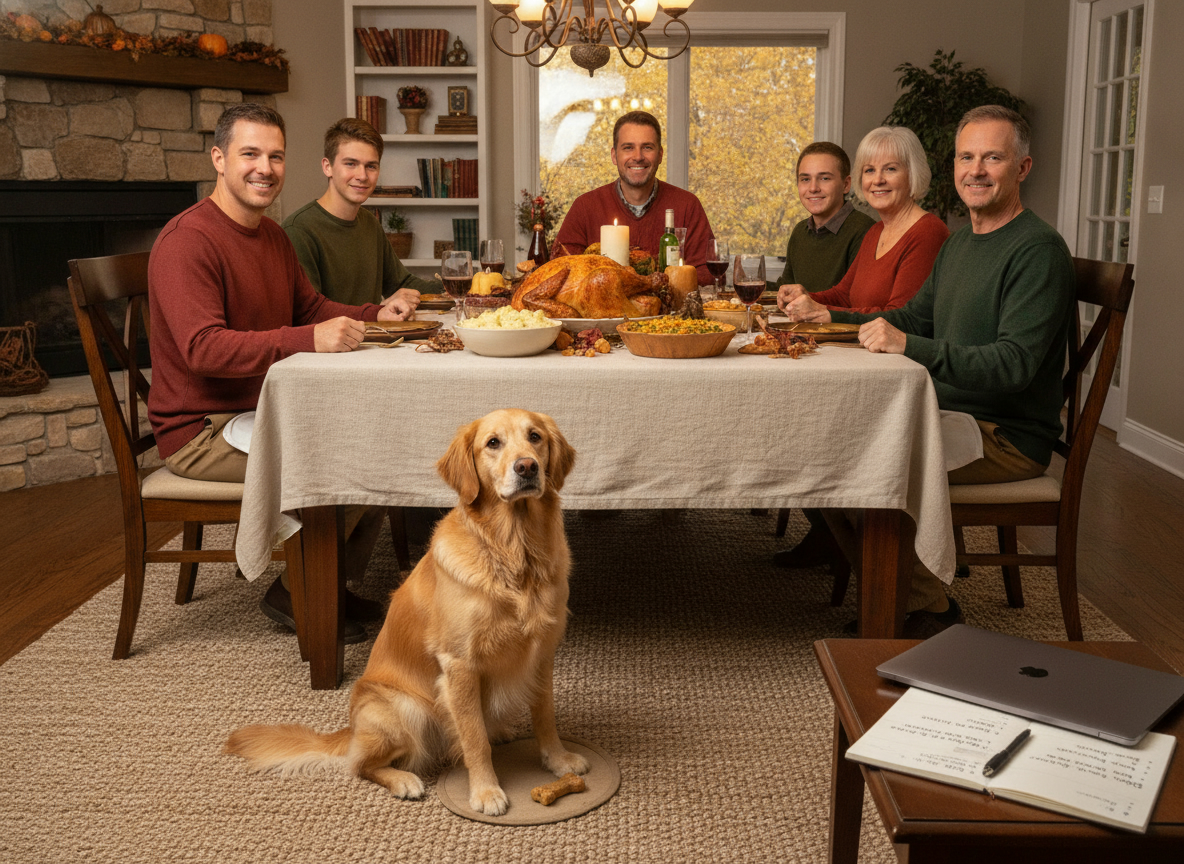
The Anatomy of a Thanksgiving Danger: Why Our Feast Can Be Their Foe
A dog's digestive system, metabolism, and overall physiology are vastly different from our own. Foods that we process with ease can wreak havoc on their bodies. The primary culprits during Thanksgiving are high-fat content, toxic ingredients, and physical obstructions. Understanding the “why” behind each warning is the first step in effective prevention.
An In-Depth Look at Common Thanksgiving Hazards for Dogs
While it’s easy to say “don’t feed your dog table scraps,” knowing the specific dangers and their severe consequences can strengthen your resolve. Below, we break down the most common threats lurking on your holiday table and in your kitchen.
1. Cooked Bones: The Splintering Threat
It’s the most iconic image: a dog happily gnawing on a bone. But the cooked bones from a turkey, chicken, or roast are incredibly dangerous. The cooking process makes them brittle, causing them to splinter easily when chewed. These sharp fragments are major dog choking hazards on Thanksgiving and pose a dual threat:
- Choking and Obstruction: A piece of bone can easily become lodged in the throat, esophagus, or intestines, creating a blockage that requires immediate, often surgical, intervention.
- Perforation: Sharp splinters can puncture the delicate lining of the entire digestive tract, from the stomach to the intestines. This can cause severe internal bleeding, infection, and a life-threatening condition called peritonitis.
Never give your dog cooked bones. The risk is simply too high. Ensure the turkey carcass is disposed of in a securely sealed trash can that your dog absolutely cannot access.
2. High-Fat Foods: The Pancreatitis Trigger
Turkey skin, gravy, buttery mashed potatoes, and dark meat are loaded with fat. While delicious to us, a sudden influx of high-fat food can overwhelm a dog’s pancreas, triggering a painful and potentially fatal condition called pancreatitis. Here’s a deeper look at what happens:
- The Pancreas's Role: The pancreas produces powerful digestive enzymes that normally remain inactive until they reach the small intestine.
- The Fatty Overload: A high-fat meal can cause these enzymes to activate prematurely *within* the pancreas itself.
- Autodigestion: Essentially, the pancreas begins to digest itself. This causes extreme inflammation, severe abdominal pain, and can lead to a systemic inflammatory response that affects other organs like the kidneys and lungs.
Pancreatitis is a serious medical emergency requiring hospitalization, IV fluids, and intensive care. Symptoms include vomiting, diarrhea, a painful abdomen (your dog may assume a “praying” position), and extreme lethargy. Prevention is key: avoid sharing any greasy, fatty parts of the meal.
3. The Allium Family: Onions, Garlic, Leeks, and Chives
These ingredients are staples in stuffing, gravy, and casseroles, but they are toxic to dogs. They belong to the Allium family and contain compounds called N-propyl disulfides, which cause oxidative damage to a dog's red blood cells. This damage leads to hemolysis (the bursting of red blood cells) and can result in severe anemia. The toxicity is dose-dependent, but it can also be cumulative. Small amounts over several days can be just as dangerous as a single large ingestion. Signs of Allium toxicity may not appear for a few days and include weakness, pale gums, lethargy, and an elevated heart rate.
4. Grapes and Raisins: The Kidney Failure Risk
Found in some stuffings, salads, or desserts, grapes and raisins are extremely toxic to dogs. Even a very small amount can cause acute, irreversible kidney failure. The exact toxic substance is still unknown, but the effect is devastating. Symptoms often start with vomiting and diarrhea within a few hours and progress to lethargy, decreased appetite, and reduced or absent urination—a sign the kidneys are shutting down. Due to the severity and the unknown toxic dose, any ingestion of grapes or raisins should be treated as a medical emergency.
5. Xylitol: The Hidden Sweetener
This sugar substitute is a major threat and is increasingly found in sugar-free baked goods, candies, gum, and even some brands of peanut butter. For dogs, xylitol is profoundly dangerous. When ingested, a dog's body mistakes it for real sugar and releases a massive amount of insulin from the pancreas. This leads to a rapid and catastrophic drop in blood sugar (hypoglycemia), which can occur within 15-30 minutes. Symptoms include weakness, stumbling, collapse, and seizures. In higher doses, xylitol also causes acute liver necrosis (liver failure), which is often fatal.
Quick Reference: A Table of Thanksgiving Dangers
To help you keep track, here is a summary of the most significant dog safety holiday hazards. This table outlines the threats, why they are dangerous, and the warning signs to watch for.
| Threat | Why It’s Dangerous | Warning Signs / Notes |
|---|---|---|
| Cooked Bones (e.g., turkey or chicken bones) | They splinter, which can cause choking, punctures, or blockages in the digestive tract (AVMA; AAHA; DVM360). | Gagging, retching, drooling, abdominal pain, bloody stool, vomiting |
| High-fat foods, skin, drippings | Too much fat can trigger pancreatitis, which is very painful and dangerous (ASPCA; Crown UrgentVet; Millersport Animal Clinic). | Vomiting, diarrhea, abdominal pain, refusal to eat, lethargy |
| Onion, garlic, chives | Members of the Allium family damage red blood cells, possibly causing anemia (AAHA; Alpine View Veterinary Hospital). | Weakness, pale gums, lethargy, elevated heart rate |
| Grapes & raisins | Even small amounts can trigger acute kidney failure (AAHA; ToeGrips; Dogs Inc.). | Vomiting, diarrhea, lethargy, decreased urination |
| Xylitol & sugar-free sweets | Causes hypoglycemia, seizures, and liver failure (AAHA). | Weakness, seizures, collapse, elevated liver enzymes |
| Raw bread dough / yeast dough | Expands in the stomach and produces ethanol during fermentation (AAHA; Red Bank Veterinary Hospital). | Abdominal distension, vomiting, breathing difficulty, disorientation |
| Desserts (chocolate, nutmeg, etc.) | Contain chocolate, nutmeg, or xylitol, which are toxic to dogs (ASPCA; Liberty Veterinary Hospital; Alpine View Veterinary Hospital). | Hyperactivity, tremors, vomiting, seizures, weakness |
| Open trash / carcass access | Dogs may scavenge bones, fat scraps, string, or wrappers (Crown UrgentVet; Alpine View Veterinary Hospital). | Vomiting, choking, lethargy, signs above |
Note: Sources correspond to a full Works Cited list available from veterinary and animal welfare organizations.
Creating a Dog-Safe Holiday Feast: What Your Dog *Can* Enjoy
Protecting your dog doesn’t mean they have to be left out entirely! The key is to offer safe, plain, and appropriate foods in moderation. This is a perfect opportunity for enrichment. Instead of feeding from the table, prepare a special plate or stuff a puzzle toy with these safe options to keep your dog mentally engaged and happily occupied.
Here are some Canine Outpost-approved Thanksgiving treats:
- Lean Turkey Breast: A few small pieces of unseasoned, skinless, boneless turkey are a wonderful treat.
- Plain Pumpkin Purée: Not pumpkin pie filling! 100% pure pumpkin purée is a great source of fiber and is delicious for dogs. A spoonful on their food or in a KONG is perfect.
- Steamed Green Beans: Plain, unseasoned green beans are a crunchy, low-calorie snack.
- Plain Sweet Potatoes: Cooked and mashed sweet potatoes (with no butter, sugar, or marshmallows) are a healthy option.
- Carrots and Apples: Raw baby carrots or slices of apple (no core or seeds) are great for a satisfying crunch.
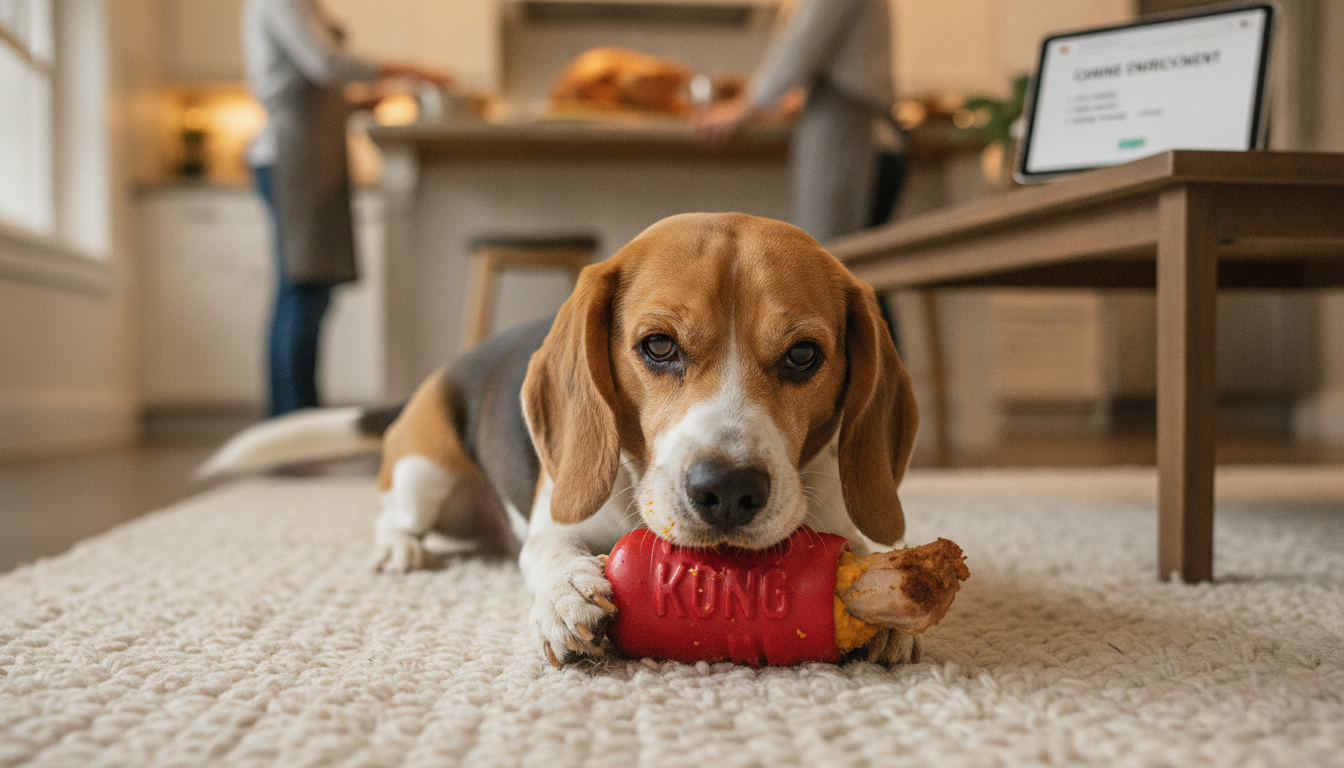
Management Strategies for a Stress-Free Day
The best way to handle pet safety on Thanksgiving is with proactive management. A busy house and a distracted host are the perfect recipe for a dog to get into trouble. Here’s how to set everyone up for success:
- Create a Safe Zone: Before guests arrive, set your dog up in a quiet room or their crate with a comfy bed, fresh water, and a special, long-lasting enrichment toy (like a frozen KONG). This prevents them from being underfoot, getting anxious with the commotion, or snatching dropped food.
- Inform Your Guests: Politely but firmly let your guests know the house rules: “Please don’t feed the dog.” Many people don’t know what’s dangerous and may think they’re being kind. A simple heads-up can prevent a serious accident.
- Secure the Trash: The Thanksgiving trash can is a treasure trove of hazards. Use a can with a locking lid or take the trash bag directly outside to a secure bin immediately after dinner.
- Practice Counter Intelligence: Keep all food pushed to the back of the counter, away from curious noses. Be especially mindful of rising bread dough, desserts cooling, and the turkey carcass waiting to be discarded.
What to Do in an Emergency
Even with the best precautions, accidents can happen. If you suspect your dog has ingested something toxic, act immediately. Time is critical.
- Stay Calm and Gather Information: Note what your dog ate, how much they ate, and when they ate it.
- Call for Help: Contact your veterinarian or a pet poison hotline right away. Do not wait for symptoms to appear. They can give you immediate, life-saving instructions.
Keep these numbers handy:
- ASPCA Animal Poison Control Center: (888) 426-4435
- Pet Poison Helpline: (855) 764-7661
A Holiday of Gratitude and Safety
This Thanksgiving, let’s show our dogs how much we love them by protecting them. By understanding the risks, preparing safe alternatives, and managing the environment, you can ensure the holiday is a happy, healthy, and memorable one for every member of your family—two-legged and four-legged alike. A little planning goes a long way in preventing thanksgiving hazards for dogs and keeping the focus on what truly matters: gratitude, family, and well-being.