Structured Play and Calm Transitions: The Canine Outpost Advantage for Guardian Dogs
If you share your life with a Guardian Breed—like a Great Pyrenees, Anatolian Shepherd, Bernese Mountain Dog, or Kuvasz—you know they aren’t like other dogs. They are ancient, intelligent, and deeply devoted souls bred for centuries to be thoughtful protectors, not hyperactive playmates. They observe, they process, and they possess a quiet confidence that can be easily misunderstood in a world that often equates a “happy dog” with a dog in constant, high-energy motion. This misunderstanding is precisely why traditional, free-for-all doggy daycare and boarding can be a recipe for stress for these magnificent animals.
For owners of guardian dogs, finding the right care facility isn't just about convenience; it's about finding a place that understands their dog's fundamental nature. You need an environment that respects their need for space, structure, and mental engagement over chaotic, non-stop play. You need a place that sees their reserved nature not as shyness, but as the thoughtful appraisal it truly is. This is where the concepts of structured play, calm transitions, and enrichment-based care become non-negotiable, and it’s the core philosophy we live by here at The Canine Outpost.
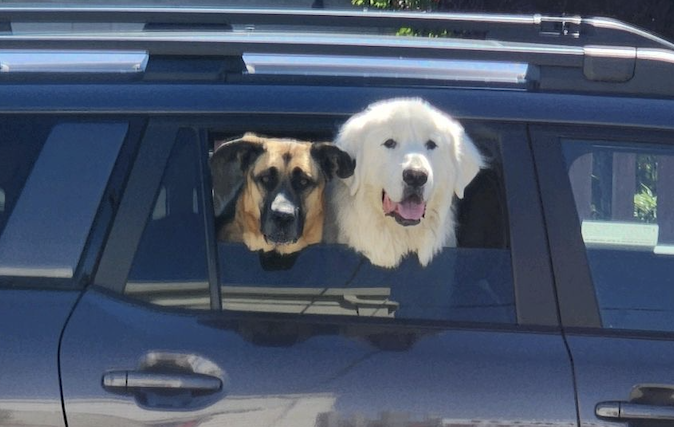
The Guardian Dog Dilemma: Why the “Warehouse of Dogs” Model Fails Them
Let's be direct. The typical dog daycare model, often a large, open room filled with dozens of dogs, is built for a specific type of dog personality—one that thrives on high-arousal, continuous social interaction. For a guardian dog, this environment can be incredibly stressful. Their instincts are wired to monitor and manage their environment, a job that becomes impossible and overwhelming in a chaotic free-for-all.
Here’s what happens to a guardian dog in a high-arousal setting:
- Overstimulation and Trigger Stacking: Constant noise, movement, and social pressure from other dogs can quickly push a guardian dog past their threshold. Each small annoyance—a dog bumping into them, a high-pitched bark, a frantic game of chase nearby—adds to their stress load. This is called “trigger stacking,” and it can lead to a dog reacting negatively to something that normally wouldn't bother them.
- The Unwanted “Fun Police”: Many guardian breeds will instinctively try to control a chaotic environment. They may step in to break up play they deem too rough, body block other dogs, or use low growls to tell another dog to “settle down.” While they are just doing their job, this behavior is often misinterpreted as aggression and can lead to conflict.
- Emotional Shutdown: Instead of policing, some guardian dogs will simply shut down. They’ll find a corner and stand stiffly, panting with wide eyes, or lie down and refuse to move. These are not signs of a calm, relaxed dog; they are signs of a dog who is emotionally overwhelmed and has gone into a state of learned helplessness to cope.
A facility that proudly declares itself “not a free-for-all” and “not a warehouse” is sending a clear signal. It’s a green flag indicating they understand the profound difference between a tired dog and a well-cared-for dog. For guardian breeds, that distinction is everything.
Deconstructing the Green Flags: The Pillars of a Superior Care Environment
So, if the chaotic model is a red flag, what are the green flags you should be looking for? It boils down to a few key operational philosophies that prioritize emotional well-being over sheer physical exhaustion. These pillars are the foundation of proper enrichment-based care for sensitive and intelligent breeds.
1. Structured Play vs. Chaotic Play
Structured play is not about rigid, boring obedience drills. It is about purposeful, supervised, and positive interaction. It means that instead of just opening a door and letting 30 dogs sort it out for themselves, our team actively facilitates healthy engagement.
Here’s what structured play looks like in practice:
- Small, Curated Playgroups: Dogs are matched based on size, temperament, and play style. A gentle giant of a Bernese Mountain Dog won’t be paired with a group of frantic, high-intensity herding dogs. This allows for more compatible and less stressful interactions.
- Staff-Led Activities: Our handlers aren't just supervisors; they are facilitators. They might initiate a game of follow-the-leader, engage dogs with large, durable toys, or simply reward calm, polite social behavior. This keeps the energy positive and prevents arousal from escalating into chaos.
- Focus on Quality, Not Quantity: A 20-minute session of positive, engaging structured play is far more beneficial than three hours of stressful, chaotic running. It builds confidence and strengthens social skills without causing burnout.
2. The Critical Importance of Calm Transitions
A “transition” is any moment of change in a dog’s routine: moving from their suite to the play yard, entering or leaving a playgroup, or greeting a staff member. For many dogs, especially observant guardian breeds, these moments are the most arousing part of the day. A surge of adrenaline during transitions can set the tone for the entire play session, often leading to overexcitement and conflict.
Calm transitions are a cornerstone of our Fear Free handling philosophy. We manage these moments with intention:
- One Dog at a Time: We avoid a “floodgate” approach. Dogs are moved individually or in very small, calm groups through thresholds.
- Leash Manners and Gate Etiquette: We practice waiting calmly at gates and doorways. This simple act teaches impulse control and emotional regulation, invaluable skills that carry over to their life at home.
- Positive Reinforcement: Calm behavior during transitions is rewarded. This creates a positive association with moving through the facility, reducing anxiety and making the experience predictable and safe for your dog.
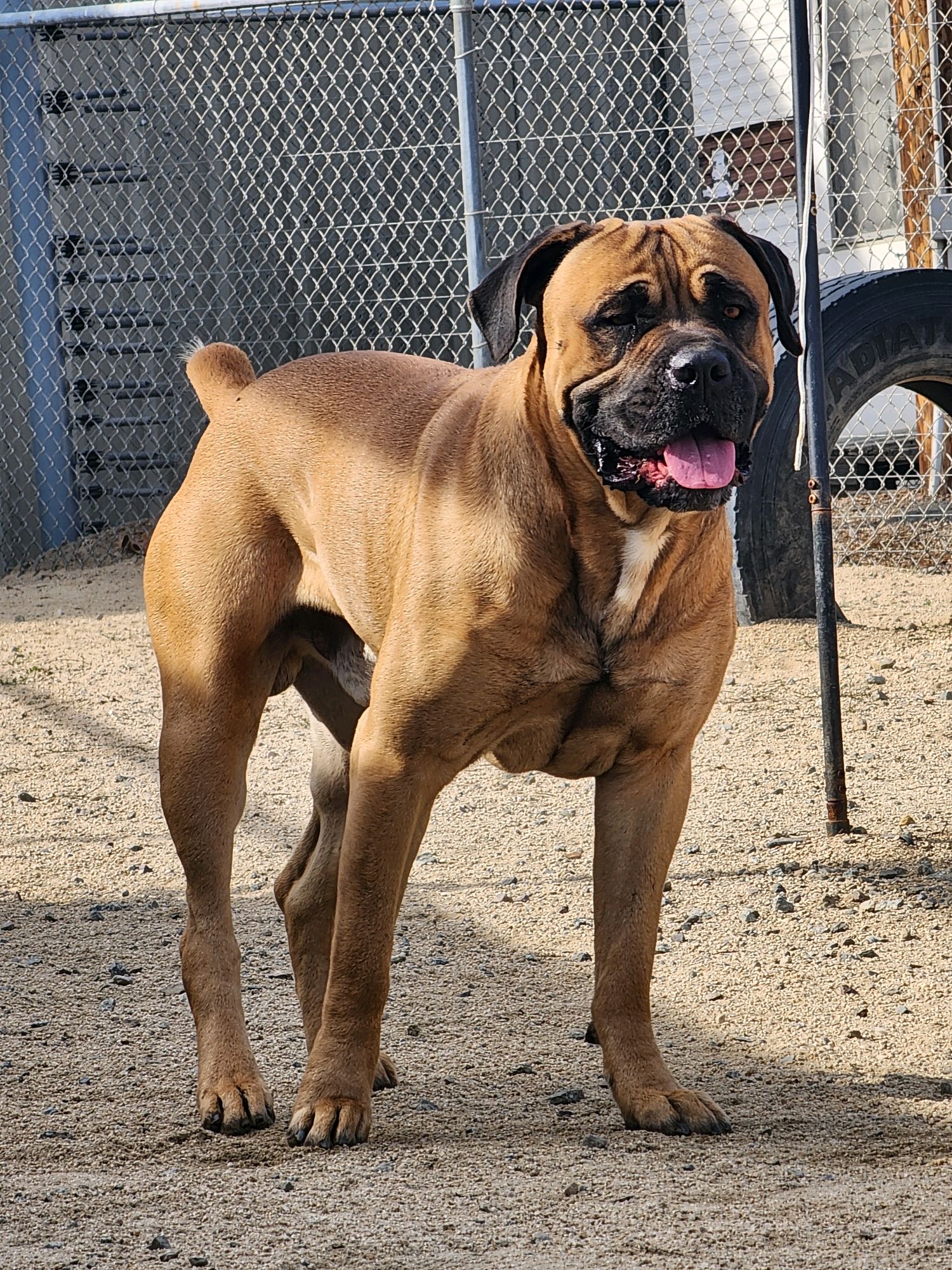
3. Decompression and Enrichment-Based Care: A Workout for the Brain
Perhaps the most crucial element for a guardian dog’s well-being is the balance between activity and rest, and the inclusion of mental exercise. These dogs were bred to think, and a day without mental stimulation is a day unfulfilled.
- Scheduled Downtime: A responsible facility knows that rest is not a luxury; it's a biological necessity. We build mandatory rest periods into every dog’s day in the comfort of their own private suite. This allows their cortisol (stress hormone) levels to drop and gives them time to process their experiences. A dog who gets adequate rest is more resilient, better behaved, and emotionally balanced.
- Brain Games and Sensory Work: This is the core of enrichment-based care. Instead of just physical exercise, we engage their minds. Lick mats with frozen treats promote calming behavior. Puzzle feeders challenge their problem-solving skills. Snuffle mats satisfy their instinct to forage. These activities are deeply fulfilling for intelligent breeds and are a perfect way to burn energy without the stress of social interaction.
The Canine Outpost Advantage: The Ideal Environment for Guardian Dogs in Turlock and Modesto
When you combine these pillars—structured play, calm transitions, and enrichment-based care—you create an environment where a guardian dog can truly thrive. This philosophy is the reason The Canine Outpost was founded. We saw the need for a higher standard of care in the Turlock and Modesto area, one that caters to the emotional and mental needs of dogs, not just their physical containment.
Our entire operation is designed to be the antidote to the chaotic, high-stress kennel. For your guardian dog, this means:
- They are seen and understood for their unique temperament.
- Their social interactions are positive, safe, and build confidence.
- Their minds are challenged and their instincts are satisfied.
- They have a predictable routine of play, enrichment, and rest that reduces anxiety.
- They are handled with compassion and respect at every step.
The distinction between the “best general boarding” and the “best boarding for a Guardian Breed” is critical. For these special dogs, the environment that prioritizes emotional regulation, thoughtful handling, and mental fulfillment will always be the superior choice. It’s an approach that sends them home not just tired, but happy, balanced, and behaviorally healthy.
Conclusion: Your Key Takeaways
Choosing a care facility for your guardian dog requires looking beyond surface-level amenities. You need to ask the right questions and look for the green flags that signal a deep understanding of dog behavior. Remember to prioritize facilities that champion a philosophy of structure, calm, and enrichment.
Here’s what to remember:
- Reject the Chaos: A “free-for-all” environment is a red flag for most guardian breeds. Look for small, curated playgroups and active staff facilitation.
- Mind the Transitions: Ask how the facility manages movement between spaces. Calm, orderly transitions are a sign of a well-managed, low-stress environment.
- Enrichment is Essential: Ensure the facility offers mental stimulation like puzzles, lick mats, and scent work, not just physical exercise.
- Rest is Required: Mandatory downtime is crucial for preventing overstimulation and promoting emotional well-being.
By seeking out a facility built on these principles, you are advocating for your dog’s unique needs and ensuring their time away from you is safe, positive, and genuinely fulfilling.