Enrichment Is More Than Peanut Butter in a Kong: How to Balance Rest, Play, and Learning
If you're a dedicated dog parent, you've probably heard the word “enrichment” a thousand times. You’ve dutifully stuffed and frozen countless Kongs, sprinkled kibble into snuffle mats, and invested in puzzle toys that your dog solves faster than you can do a Sudoku. While these are fantastic tools, the true concept of enrichment is so much bigger—and more important—than just a food-based challenge.
Real, effective enrichment isn't about keeping your dog constantly busy. It's about creating a balanced life that fulfills their natural instincts in a healthy way. It’s a thoughtful blend of mental stimulation, physical exercise, social interaction, and, most critically, restorative rest. When we over-index on one area (usually high-energy play) and neglect the others, we can accidentally create a dog who is overstimulated, anxious, and perpetually “on,” rather than one who is truly content. Let's explore how to build holistic dog enrichment routines that nurture both a happy mind and a calm spirit.
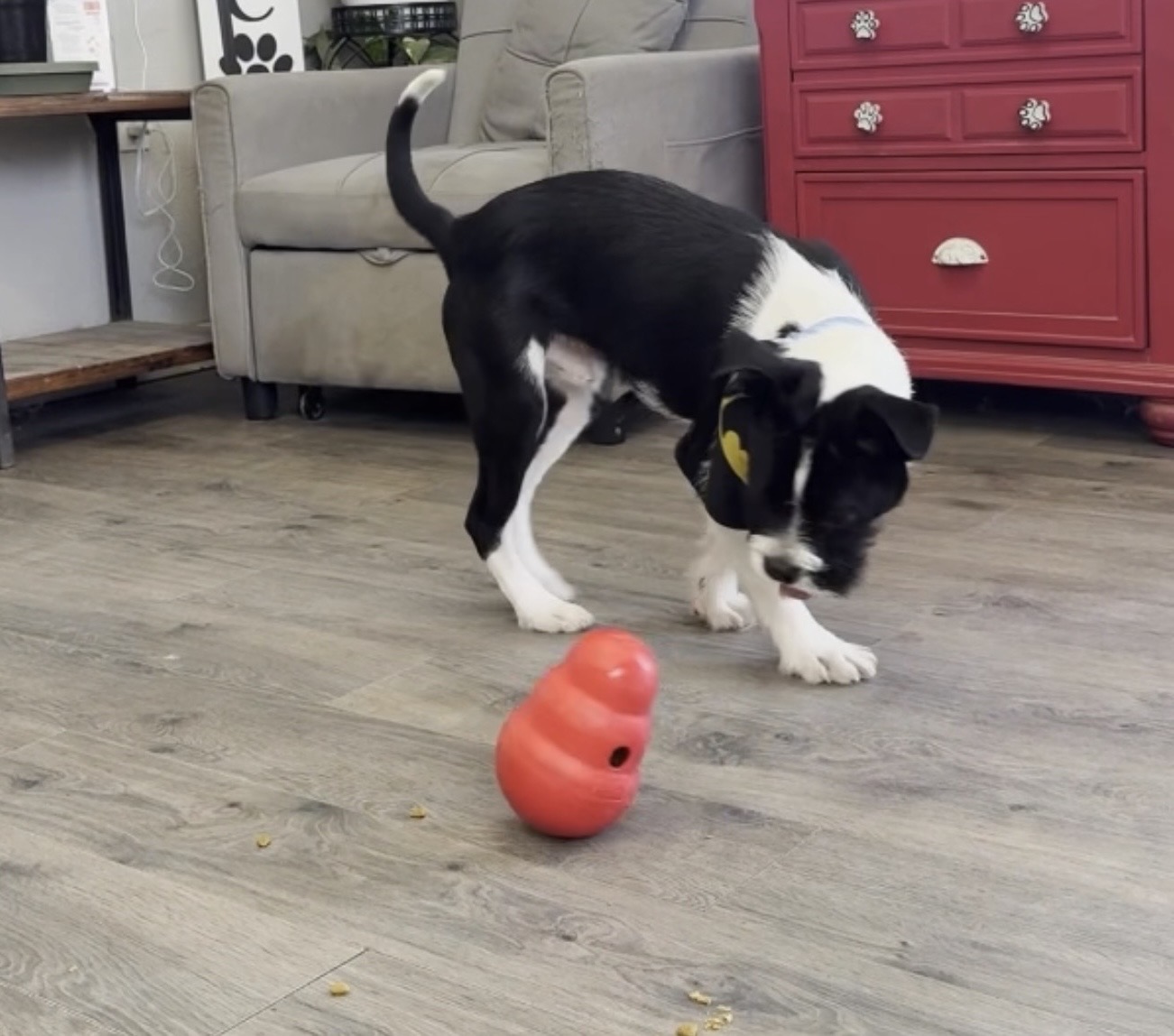
Redefining Enrichment: The Five Pillars of a Fulfilled Dog
Think of enrichment as a well-rounded diet for your dog's brain. Just as they need more than one type of nutrient to be healthy, they need a variety of activities to be behaviorally well. True enrichment provides safe outlets for innate behaviors like sniffing, chewing, playing, problem-solving, and resting. It generally falls into five key categories:
- Cognitive Enrichment: This is the “brain work” category. It includes puzzle toys, learning new cues, and scent work games like “find it.” These activities satisfy a dog’s need to problem-solve and build their confidence.
- Physical Enrichment: This is more than just running wild. It’s about purposeful movement. Think structured walks where they get to sniff, hikes on varied terrain, or playing with a flirt pole, which engages their prey drive in a controlled way.
- Sensory Enrichment: Dogs experience the world primarily through their nose, but also their ears and paws. Sensory enrichment involves activities like scent work, exploring new environments with different smells (the woods, the beach), or walking on different surfaces (grass, sand, pavement).
- Social Enrichment: This involves safe, positive, and consensual interactions with other dogs and people. The key word here is *safe*. A chaotic free-for-all at the dog park is not quality social enrichment. A well-managed, small-group play session, like those we facilitate at The Canine Outpost, is.
- Calming Enrichment: This is the most overlooked pillar. Activities like chewing on a long-lasting treat, licking a LickiMat, or simply learning to relax on a mat are crucial for teaching a dog how to self-soothe and develop an “off switch.”
The Danger of the “All Play, No Pause” Mindset
We’ve all been told that a tired dog is a good dog. While there’s some truth to that, a physically exhausted but mentally wired dog is often an anxious one. Constant high-arousal activities—like non-stop fetch or unstructured, day-long daycare play—flood a dog’s system with adrenaline and cortisol (the stress hormone). Without adequate downtime to let those hormone levels return to baseline, a dog can get stuck in a state of chronic stress.
Signs of an overstimulated dog include:
- Inability to settle down, even when tired
- Increased mouthiness or nipping
- Frantic, “zoomie” behavior at inappropriate times
- Difficulty listening to cues they normally know
- Reactivity on walks (barking and lunging)
- Poor impulse control
This is why at The Canine Outpost, our entire philosophy is built around balance. We intentionally structure our daycare and boarding days with rotations of play, individual enrichment, and mandatory quiet time. This prevents overstimulation and ensures dogs go home feeling happy and relaxed, not frazzled and overwhelmed.
How to Create Structured Routines for Dogs That Balance Rest and Play
Predictability is a powerful tool for reducing anxiety in dogs. When they know what to expect from their day, they can relax instead of constantly wondering what’s next. Building a balanced routine doesn't have to be complicated. The goal is to create a rhythm of engagement followed by calm.
A Sample Balanced Day:
- Morning (Engage the Brain): Instead of just putting their breakfast in a bowl, use a puzzle feeder or a snuffle mat. This starts their day with a calming, problem-solving activity. Follow it up with a short, 5-minute training session to practice a new trick or reinforce known cues.
- Midday (Purposeful Movement): This is a great time for a structured walk, a game of fetch with rules (e.g., must drop the ball before it’s thrown again), or a play session. If your dog is in our daycare, this is when they’d be in one of their supervised group play rotations.
- Afternoon (Mandatory Downtime): This is non-negotiable! This is the time for a nap in their crate or on their bed with a safe chew. This teaches your dog the invaluable skill of settling down. It’s not a punishment; it’s a required part of their wellness routine.
- Evening (Calm & Connect): Wind down the day with a gentle sniff-focused walk around the block. Offer a LickiMat with some yogurt or a calming chew while you relax. End the day with some simple cuddles or gentle petting.
This rhythm of “up” and “down” activities helps dogs learn to regulate their own energy levels, making for a much more peaceful companion at home.
Fear-Free Enrichment Techniques for Every Personality
Enrichment should build confidence, not cause stress. It’s crucial to tailor activities to your dog’s individual personality and comfort level. Using fear-free enrichment techniques means we always give the dog a choice and never force them into an activity that makes them uncomfortable.
- For the Shy or Anxious Dog: Start small and in a safe space. A snuffle mat in a quiet room is less intimidating than a complex puzzle. Scent work is fantastic for nervous dogs because it allows them to use their strongest sense and focus on a task, building confidence with every “find.”
- For the High-Energy Dog: Mental exercise is often more tiring than physical exercise. Channel their energy into learning complex tricks, advanced scent work, or sports like agility. A flirt pole is a great tool for satisfying their chase instinct in a controlled way that doesn't escalate into over-arousal.
- For the Senior Dog: Keep their minds sharp with low-impact activities. Use raised puzzle feeders that are easier on their necks, play gentle scent games, and take them on short, slow “sniffaris” where they can lead the way and explore at their own pace.
The Takeaway: A Holistic Approach to a Happy Dog
Moving beyond the “peanut butter in a Kong” mindset opens up a whole new world of well-being for your dog. By thoughtfully incorporating all five pillars of enrichment into your routine, you are doing more than just keeping them busy—you are nurturing their mind, body, and emotional health.
Remember these key takeaways:
- Variety is Key: Mix up cognitive, physical, sensory, and calming activities throughout the week.
- Rest is a Requirement: Actively schedule quiet time into your dog’s day to prevent burnout and teach them how to settle.
- Structure Creates Security: Predictable routines that balance rest and play for dogs help reduce anxiety and build a calmer, more confident companion.
- Observe and Adapt: Pay attention to your dog’s body language. If an activity seems to be causing stress, modify it or choose something else. True enrichment is always a positive experience.
By embracing this holistic approach, you’re not just providing activities; you’re cultivating a lifestyle that allows your dog to be the happiest, healthiest, and most well-balanced version of themselves.