Dog Safety First: A Stress-Free Fourth of July Plan for Your Pet
The smell of barbecue, the cheerful gatherings, the dazzling light show painting the night sky—for us, the Fourth of July is a celebration of summer and freedom. But for our dogs, it can feel like anything but. Those festive booms and crackles that we enjoy are often a source of pure terror for our canine companions, turning a holiday into a night of trembling, panting, and panic. As a pet parent, there’s nothing worse than seeing your best friend in distress, feeling helpless against an enemy you can’t see or stop. If you're in Turlock, Modesto, or anywhere the fireworks fly, you know this anxiety all too well.
The good news is that you are not helpless. With a little foresight and a solid game plan rooted in understanding your dog's needs, you can transform the Fourth of July from a night of fear into a manageable, even calm, evening. It’s all about preparation, environmental management, and compassionate support. Let’s walk through a complete strategy for a stress-free Fourth of July, so you and your dog can get through the night safely and peacefully.
Why Are Fireworks So Terrifying for Dogs?
To effectively help our dogs, we first need to understand what they’re experiencing. It’s not just a simple dislike of loud noises; it's a profound, multi-sensory assault that triggers their primal survival instincts.
The Science of Sound: A Dog's Perspective
A dog’s hearing is exponentially more sensitive than ours. They can detect frequencies up to 65,000 Hz, compared to our meager 20,000 Hz. This means they hear the high-pitched whistle of a firework long before we do, and with much greater intensity. What sounds like a distant “pop” to us can feel like a deafening explosion right next to their ears. This auditory overload, combined with the unpredictable nature of the sounds—random booms, crackles, and screeches—sends their nervous system into overdrive. Their fight-or-flight response kicks in, flooding their body with stress hormones like cortisol and adrenaline, preparing them to escape a perceived threat they cannot locate.
Beyond the Noise: A Full-Sensory Attack
It isn’t just the sound. Fireworks create a perfect storm of sensory triggers. The bright, flashing lights are disorienting. The smell of sulfur and burnt gunpowder is alien and alarming. In some cases, they can even feel the vibrations through the ground and windows. Because these threats come from all directions and at random intervals, a dog can’t predict, rationalize, or habituate to them. This is the very definition of a stressful environment, and it’s why so many dogs exhibit extreme signs of anxiety.
Recognizing the Signs of Fireworks Anxiety in Dogs
Knowing what to look for is crucial. Some dogs are obvious in their distress, while others show more subtle signs. Being able to read their body language allows you to intervene early.
- Subtle Signs: Pinned-back ears, wide eyes (showing the whites, known as “whale eye”), excessive lip licking, yawning when not tired, a tucked tail, or a tense body posture.
- Obvious Signs: Uncontrollable trembling or shaking, frantic panting, pacing relentlessly, hiding in small spaces (like closets or behind toilets), vocalizing (whining or barking), and destructive behaviors aimed at escaping. Tragically, more dogs go missing on July 4th than any other day of the year due to escape attempts fueled by panic.
Setting the Stage for Calm: Your Pre-Fourth Game Plan
The best way to manage fireworks anxiety is to start preparing long before the first firework goes off. A proactive approach to dog safety during fireworks makes all the difference.
Secure Your Environment: A Safety Audit
First and foremost, make your home a fortress of safety. Assume your dog might try to bolt, even if they never have before.
- Update IDs: Ensure your dog's microchip information is current and that they are wearing a collar with legible ID tags. This is your number one safety net if the worst happens.
- Check Escape Routes: Walk your property line. Check for loose fence boards, insecure gate latches, and gaps your dog could squeeze through. Make sure all windows and doors are securely closed and locked during the event.
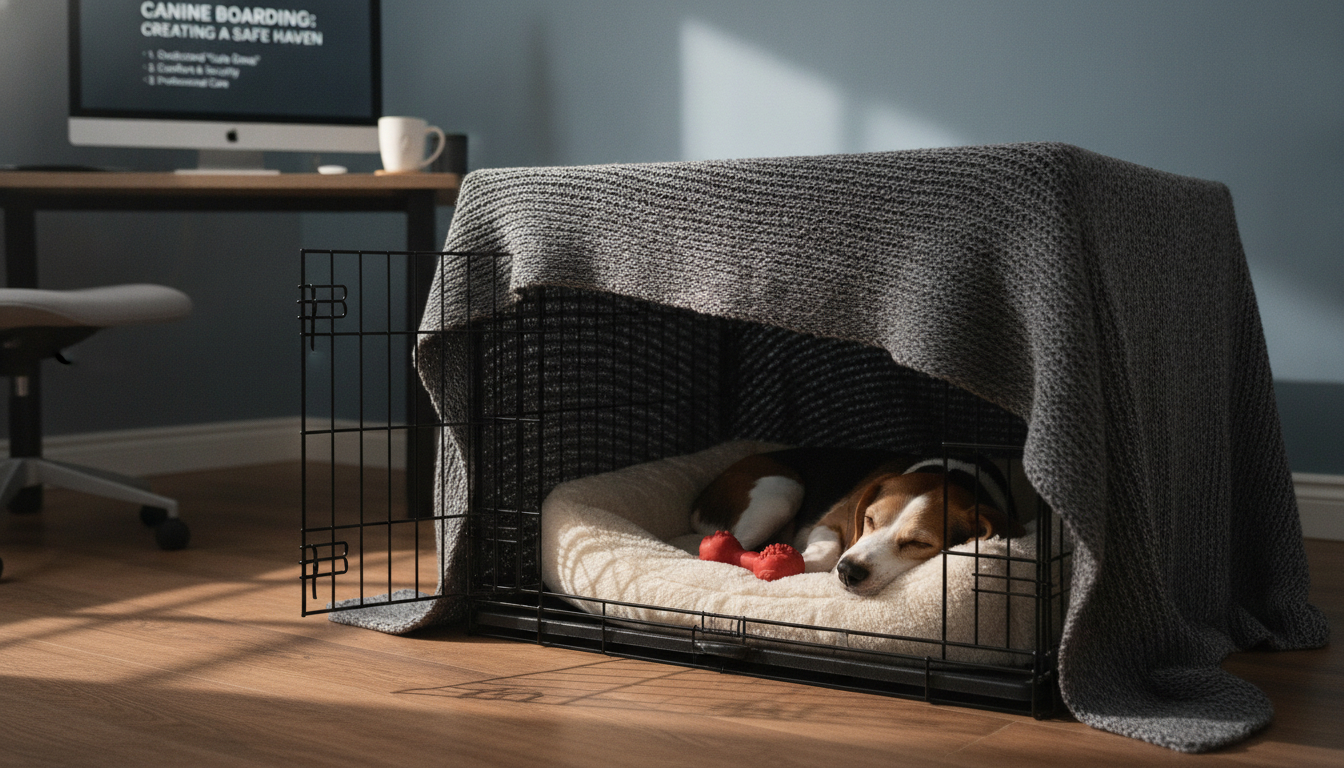
- Create a “Safe Den”: Designate a comfortable, enclosed space for your dog, ideally in an interior room with no windows. This could be a crate (if they are crate trained and love it), a bathroom, or a walk-in closet. Fill it with their favorite bed, familiar blankets, and a piece of your clothing that smells like you. Start encouraging them to use this space a week or two in advance by feeding them treats or giving them special toys there, building a positive association.
The Power of Routine and Exercise
A physically and mentally tired dog is a more resilient dog. On the Fourth, plan to expend your dog’s energy early in the day. Go for an extra-long walk, a vigorous game of fetch, or a challenging training session in the morning. This mental stimulation is a core part of our philosophy at The Canine Outpost because it helps build a calmer, more focused mindset. Avoid walks in the late afternoon or evening when rogue fireworks might start. Stick to your dog's normal feeding schedule to provide a sense of predictability amidst the chaos.
Navigating the Noise: Enrichment for Dogs During Fireworks
When the celebrations begin, your goal is to manage the environment and redirect your dog’s focus. This is where enrichment becomes your most powerful tool.
Sound Masking and Management
You can’t stop the noise outside, but you can buffer it. Close all windows and draw the curtains or blinds to block the flashing lights. Turn on a loud fan, an air conditioner, or a white noise machine. You can also play calming classical music or specialized dog-calming audio. The goal is to create a consistent, predictable layer of sound inside to help drown out the sharp, unpredictable bangs from outside.
The Ultimate Distraction: High-Value Enrichment
The key to a stress-free Fourth of July for many dogs is giving their brain a more important job to do than worrying about the noise. This is the time to break out the good stuff—activities that are so engaging they overshadow the scary sounds.
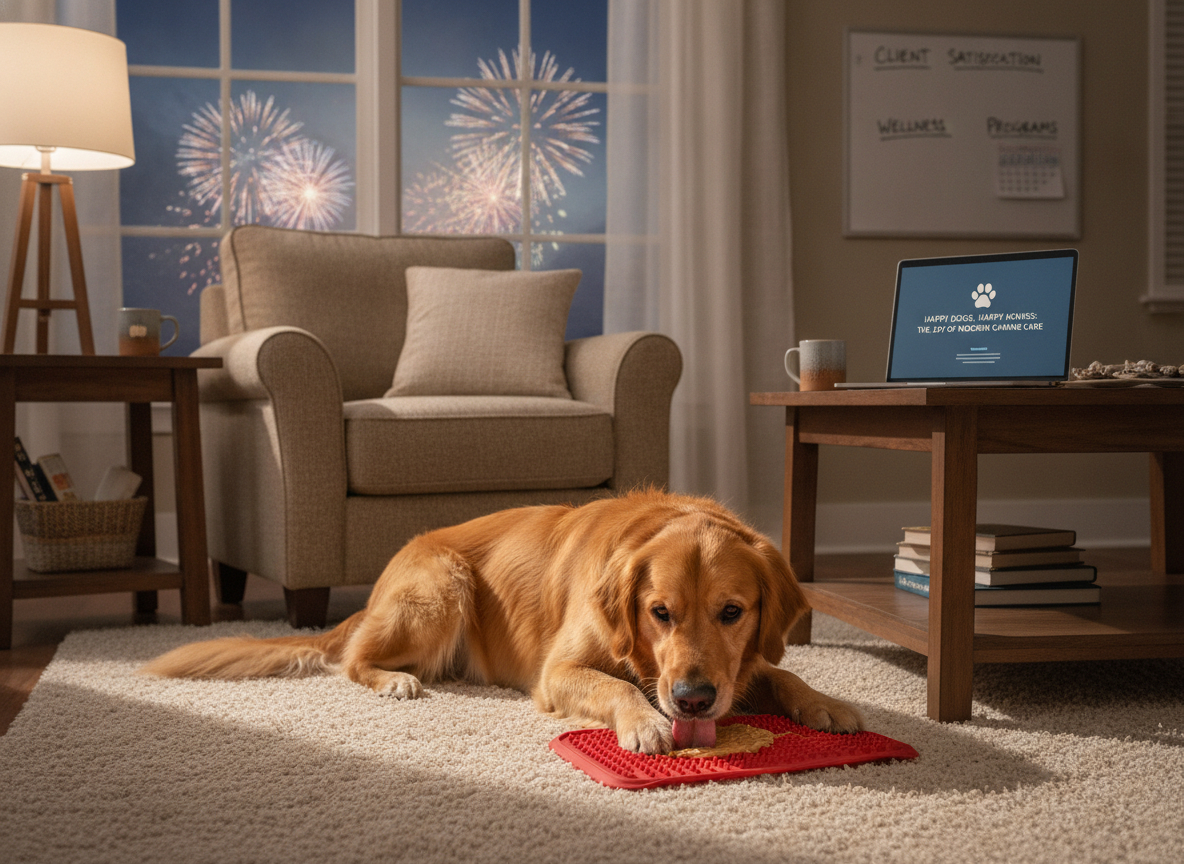
- Licking and Chewing: Licking and chewing are natural, self-soothing behaviors for dogs that release calming endorphins. Prepare a LickiMat or a Toppl toy with frozen peanut butter, plain yogurt, or canned pumpkin. Offer a long-lasting, safe chew like a beef cheek roll or a bully stick. Give it to them 15-20 minutes *before* you expect the fireworks to start, so they are already calm and engaged when the noise begins.
- Foraging and Puzzles: Engaging your dog’s nose is one of the best ways to focus their mind. Use a snuffle mat or simply scatter high-value, smelly treats in a blanket or around their safe den. A simple food puzzle can also work wonders. The mental effort required to solve the puzzle redirects their anxious energy into productive problem-solving.
Your Role: The Calm Anchor
Your dog will look to you for cues on how to react. If you are anxious and worried, they will be too. Speak in a calm, normal tone and move about the house calmly. It’s a myth that you shouldn’t comfort a scared dog. You absolutely can and should, but do it calmly. Sit quietly with them, offering slow, gentle pets if they seek you out. Your steady presence is a powerful reassurance that they are safe. Compression wraps like a ThunderShirt can also be helpful for some dogs, providing gentle, constant pressure that has a calming effect, similar to swaddling an infant.
The Morning After: Recovery and Recap
Once the last firework has faded, your job is done. The next morning, check your yard for any firework debris before letting your dog out. Give them lots of praise and maybe an extra-special breakfast. You both made it through!
By taking these steps, you can provide your dog with the support they need to navigate one of the most stressful nights of the year. A comprehensive plan built on safety, preparation, and enrichment is the key to a truly stress-free Fourth of July. Just like the structured, supportive environment we cultivate every day at The Canine Outpost, providing predictability and positive engagement is the most compassionate way to help your dog feel secure, no matter what’s happening outside your door.