Boutique Enrichment vs. Large Kennels: A Turlock Dog Boarding Comparison
When you start searching for “dog boarding Turlock,” your screen likely fills with familiar, well-established names. You’ll see large-scale pet resorts and trusted veterinary clinics that have served the community for years. They are the visible, go-to options for many, offering a straightforward solution for pet care. But what if your dog needs something more? What if the standard model doesn’t quite fit their personality, energy level, or emotional needs? This is where a crucial distinction comes into play—the difference between a high-volume kennel and a boutique enrichment facility. While one operates on scale and efficiency, the other functions as a highly tailored, custom-care program. At The Canine Outpost, we live and breathe the boutique enrichment model, and we want to help you understand why it might be the perfect fit for your four-legged family member.
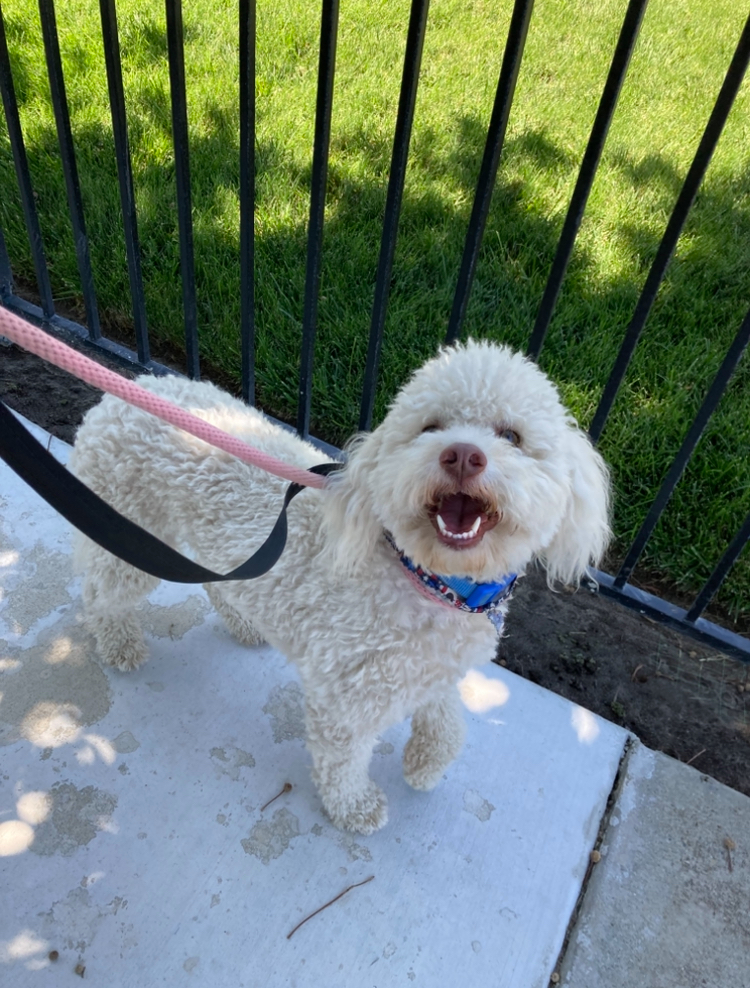
The Traditional High-Volume Kennel Model: A Look at the Standard
Large, traditional kennels and pet resorts are built on a model of efficiency and safety through standardization. To manage dozens, sometimes hundreds, of dogs at once, they must rely on broad, generalized rules and a predictable structure. Think of it as a one-size-fits-most approach to pet care.
Structure and Environment
The physical environment often consists of indoor/outdoor concrete runs, chain-link enclosures, and large, open-play yards. The primary goal is safe containment and meeting basic needs: food, water, and a place to relieve themselves. Group play, a major selling point, typically involves putting a large number of dogs together in a yard for extended periods. While staff are present to supervise, the sheer number of dogs can make individualized attention challenging.
The Logic Behind Blanket Rules
You may have encountered policies that seem rigid, such as automatically excluding intact (unneutered) male dogs over 12 months from all group activities. From the outside, this can be frustrating for owners of well-behaved, socialized dogs. However, from the facility’s perspective, it’s a necessary risk-management strategy. In a large, dynamic group of 20, 30, or more dogs, an intact male can alter the social dynamics, and without the ability to provide constant, close-up management, exclusion becomes the safest blanket policy. These rules aren’t about your specific dog’s behavior; they’re about managing the inherent risks of a high-volume environment.
Who It Works For
This model can work perfectly well for confident, easygoing, and highly social dogs who thrive in a bustling environment and aren't easily overstimulated or bored. For them, it’s a simple, effective solution. However, for many others, it can lead to stress, anxiety, or frustration.
The Boutique Enrichment Philosophy: A Deeper Dive into Individualized Care
A boutique facility like The Canine Outpost intentionally flips the traditional model on its head. We prioritize a lower staff-to-dog ratio, which allows us to move from generalization to individualization. Our entire philosophy is built around understanding and catering to the unique physical, mental, and emotional needs of each dog in our care. This is the core of enrichment-based care.
Customized Group Dynamics vs. Strict Age/Status Limits
This is one of the most significant differentiators. Instead of a blanket rule, we conduct thorough, individual temperament assessments. This allows us to make decisions based on the actual dog in front of us. A well-socialized, one-year-old intact male with a great play style might be a perfect fit for a carefully curated playgroup of two or three other compatible dogs. Because our staff-to-dog ratio is low, we can provide the close, active supervision required to ensure interactions remain positive and safe. We manage the dogs, not just the space. This flexibility means your dog is seen as an individual, not a statistic that either fits a rule or doesn't.
Structured Play: The Antidote to Chaos
You’ve probably seen videos of daycare yards packed with dogs running wild. While it looks like fun, this chaotic environment can be incredibly over-stimulating for many dogs. Non-stop, high-arousal play can spike cortisol (the stress hormone), leading to a state of being “tired but wired.” This can result in irritability, poor impulse control, and even altercations.
Structured play is the opposite. It’s purposeful, engaging, and mentally stimulating. Instead of just letting dogs loose, our play sessions are guided by trained staff and might include:
- Small, Curated Groups: We match dogs based on size, temperament, and play style, creating balanced and positive social experiences.
- Game-Based Learning: We incorporate games like recall (“come”), group “sits,” and polite greetings, which reinforce good manners.
- Appropriate Outlets: We use tools like flirt poles for dogs who love to chase, or gentle fetch for retrievers, channeling their natural drives in a controlled way.
- Scheduled Rest: Just as important as play is rest. We enforce mandatory quiet/nap times in comfortable private spaces. This allows dogs’ brains and bodies to decompress, preventing the cortisol buildup that leads to stress and anxiety.
Why Enrichment-Based Care is Critical for High-Energy Dogs
If you own a high-drive or working breed—like a Border Collie, German Shepherd, Malinois, or Labrador Retriever—you know that physical exercise alone is never enough. These dogs were bred to have a job. A simple walk or a romp in the yard doesn’t satisfy their deep-seated need for mental engagement. When that need isn’t met, they can become bored, frustrated, and anxious, which can manifest as destructive behavior or reactivity.
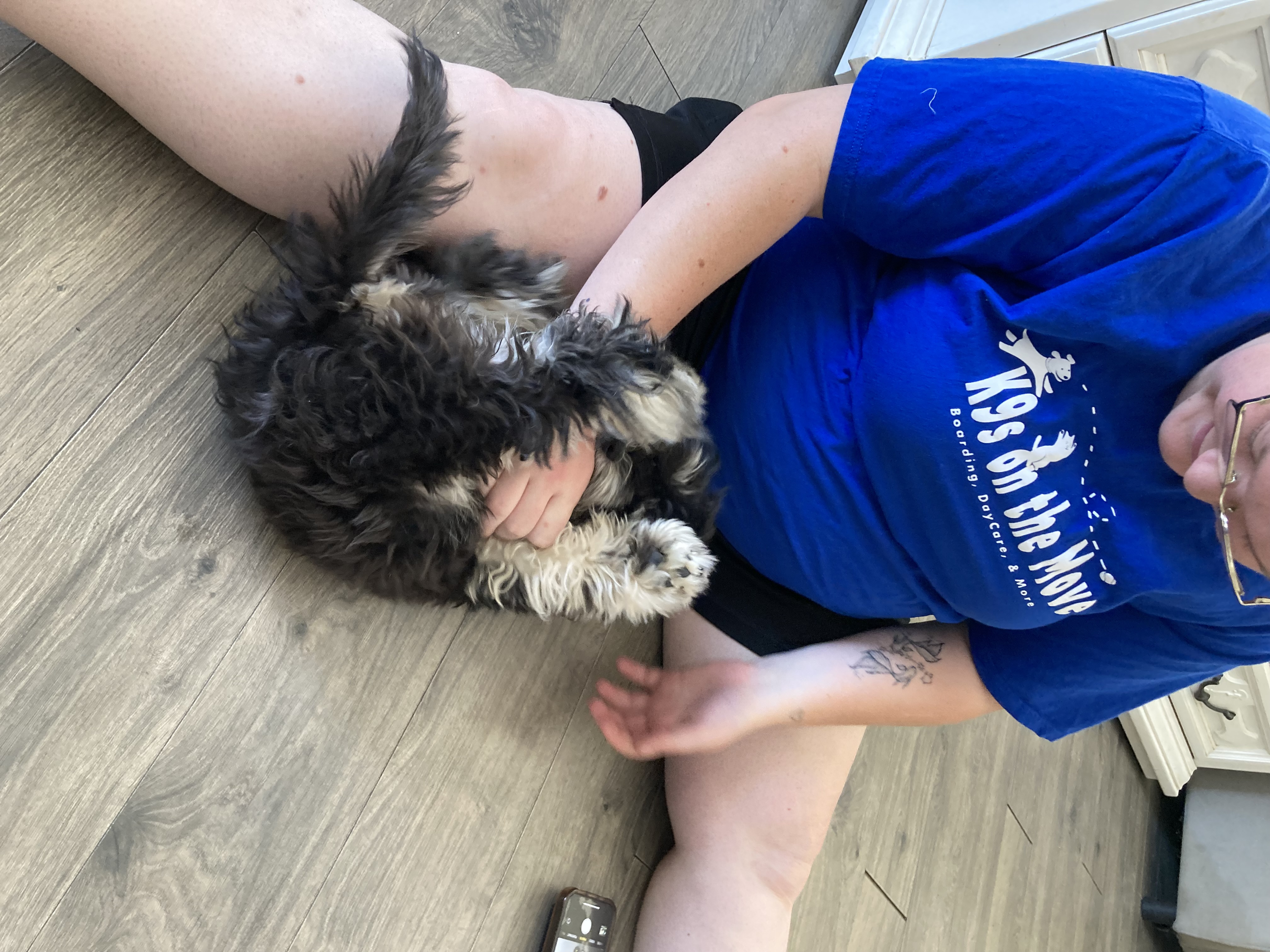
Giving Your Dog a “Job” at Boarding
A standard concrete run or an overwhelming, chaotic play yard can be a recipe for disaster for a smart, driven dog. They may resort to fence fighting, obsessive barking, or pacing out of sheer boredom and frustration. Enrichment-based care is the solution. We provide a “vacation job” for your dog’s brain. This includes a rotating variety of activities designed to challenge them mentally:
- Puzzle Feeders: Instead of just getting a bowl of food, dogs have to work to get their meal, which is incredibly satisfying for them.
- Scent Work Games: Hiding high-value treats and encouraging dogs to use their nose is a powerful way to burn mental energy and build confidence.
- Lick Mats and Stuffed Kongs: Licking is a self-soothing behavior for dogs. Providing these during downtime promotes relaxation and calm.
- Confidence-Building Activities: We might introduce them to novel objects, different surfaces, or low-level agility equipment to build their confidence in new situations.
The Turlock Pet Parent’s Checklist: Which Model Fits Your Dog?
Choosing the right dog boarding facility in Turlock isn’t about finding the “best” one—it’s about finding the best one *for your dog*. Ask yourself these questions to help guide your decision:
- Is my dog easily overwhelmed in large groups? If your dog is shy, nervous, or prefers a small circle of friends, a boutique environment with curated playgroups will be far less stressful.
- Does my dog get bored easily? If you have an intelligent breed that’s prone to mischief when under-stimulated, an enrichment program is essential to keep their mind engaged.
- Is my dog a high-energy or working breed? If so, a facility that offers structured play and mental challenges will be better equipped to meet their needs than one focused on open-play alone.
- Does my dog have specific social quirks or needs individualized management (like being intact)? A boutique facility has the flexibility and skilled staff to provide the personalized oversight your dog requires.
- Am I looking for a place for my dog to simply stay, or a place for them to learn and thrive? If you view boarding as an opportunity for your dog to have a positive, engaging, and developmental experience, then an enrichment-based program is the clear choice.
Conclusion: More Than a Place to Stay, It's an Experience
The dog care landscape has evolved. Pet parents today understand that emotional well-being is just as important as physical safety. The choice between a large kennel and a boutique enrichment facility comes down to a simple difference in philosophy: containment versus engagement. While traditional kennels offer a safe and reliable solution for containing a large number of pets, a boutique facility offers a purposeful, individualized experience designed to help each dog feel secure, fulfilled, and mentally engaged. It’s a shift from simply housing dogs to holistically caring for them. At The Canine Outpost, we’re proud to provide that next level of care, ensuring your dog’s time away from you is not just tolerable, but truly enriching.