The Quiet House Dilemma: Why Your Dog Feels the Back-to-School Shift
The scent of freshly sharpened pencils, the hustle of finding backpacks, the sudden return to alarm clocks—back-to-school season is a familiar rhythm for us. But for our dogs, this annual shift can feel like the music abruptly stopping. The once-bustling house, filled with summer laughter and constant companionship, suddenly goes silent for hours on end. This quiet isn't just a change of pace; it's a disruption to their entire world, often leading to boredom, anxiety, and even some not-so-great new hobbies, like redecorating your sofa with fluff or serenading the mail carrier with operatic howls.
You've probably felt that pang of guilt closing the door, leaving your best friend to stare after you. You wonder, are they okay? Are they bored? Are they lonely? These are valid concerns. A dog's mental and emotional well-being is deeply tied to routine, engagement, and social connection. When their primary source of that connection—you—is suddenly gone for most of the day, it's crucial to provide a fulfilling alternative. This is where the right kind of doggy daycare becomes more than a convenience; it becomes an essential part of their wellness plan. But not all daycares are created equal. Forget the image of a chaotic free-for-all. We're talking about a place built on purpose, structure, and the science of what makes a dog truly happy: enrichment.

Beyond the Ball Pit: Deconstructing True Dog Daycare Enrichment
The word “enrichment” gets thrown around a lot in the pet care world, but what does it actually mean? True enrichment isn't just about keeping a dog busy or tiring them out physically. It's about providing meaningful activities that stimulate their minds, engage their natural instincts, and build their confidence. A physically exhausted dog can still be mentally frustrated and stressed. A truly fulfilled dog is one who has had a chance to work both their body and their brain. At The Canine Outpost, we build our entire philosophy around this concept, breaking enrichment down into several key categories that work together to create a balanced, happy dog.
Cognitive Enrichment: The Brain Workout
Think of cognitive enrichment as puzzles for your pup. These activities challenge their problem-solving skills and encourage them to think critically. This is where you see the magic of a dog's brain at work. Mental exercise is incredibly taxing—in a good way! A 15-minute session with a puzzle toy can be more tiring for some dogs than a 30-minute run.
- Puzzle Feeders: Instead of getting a boring bowl of kibble, dogs have to roll, nudge, or slide pieces to get their food. This turns mealtime into a rewarding game.
- Scent Work Games: Hiding high-value treats and encouraging dogs to use their most powerful sense—their nose—to find them. This taps into their innate seeking and hunting instincts in a fun, low-impact way.
- Problem-Solving Tasks: Simple tasks like figuring out how to get a toy out from under a blanket or learning a new command in a group setting stimulates neural pathways and builds confidence.
Social Enrichment: The Art of Healthy Play
Socialization is more than just throwing a bunch of dogs into a room together. Unstructured, chaotic play can be overwhelming for many dogs and can even teach them bad habits or create fear-based reactivity. Structured social enrichment, on the other hand, is about carefully curated and supervised playgroups. Staff trained in dog body language, like our team at The Canine Outpost, group dogs based on size, temperament, and play style. This ensures that a shy, gentle giant isn't being bulldozed by a rambunctious terrier, and a high-energy herding dog has a buddy who enjoys a good chase. We actively manage play to prevent bullying, over-arousal, and stress, ensuring interactions are positive and confidence-building.
Sensory and Physical Enrichment
Engaging all of a dog's senses is a powerful way to enrich their day. This can include:
- Scent Exploration: Introducing novel, dog-safe scents like lavender or rosemary in a designated area for them to investigate.
- Varied Textures: Providing different surfaces to walk and play on, from soft turf to smooth rubber flooring or even shallow water play in the summer.
- Confidence-Building Obstacles: Simple, safe equipment like low platforms to climb on, tunnels to go through, or balance beams to walk across. This isn't about intense agility; it's about improving body awareness and teaching them they can confidently navigate new challenges.
The Power of a Schedule: Why Structured Play for Dogs is a Game Changer
Dogs are creatures of habit. They thrive on predictability. A well-run enrichment daycare understands this and builds its day around a structured routine that balances stimulating activity with crucial downtime. A constant, high-energy free-for-all is a recipe for overstimulation. It spikes cortisol (the stress hormone) and leads to cranky, anxious dogs who may have trouble settling down at home. A structured schedule, however, creates a sense of security and teaches dogs a valuable life skill: how to self-regulate and relax in a stimulating environment.
A Day in the Life at an Enrichment-Based Facility
While every facility is different, a day focused on well-being often looks something like this:
- Morning Arrival: A calm entry process where dogs are slowly integrated into small, appropriate playgroups.
- Mid-Morning: A rotation between structured group play and individual cognitive enrichment. One group might be enjoying a supervised game of fetch while another is working on puzzle toys or snuffle mats in a separate area.
- Midday: Mandatory rest time. This is non-negotiable for a dog's well-being. Each dog gets their own space with a comfy bed to decompress, nap, and let their cortisol levels drop. This single practice prevents the vast majority of behavioral issues seen in unstructured daycares.
- Afternoon: The rotation continues with lower-energy activities. This might involve scent work games, one-on-one cuddle time with staff, or enjoying a frozen treat on a lick mat.
- Late Afternoon: A final, calm play session before winding down for pickup, ensuring your dog comes home tired but not wired.
How to Find a Stress-Free Dog Daycare That Truly Enriches
Now that you know what high-quality enrichment looks like, you can be a savvy consumer. When you're looking for a daycare for your furry family member, you're not just looking for a dog-sitter; you're looking for a partner in their well-being. Here’s a checklist of what to ask and observe:
Key Questions for Any Facility:
- How do you manage playgroups? Look for answers that mention grouping by size, temperament, and play style. A great facility will be able to tell you exactly what kind of dogs your dog would be playing with.
- What is your staff-to-dog ratio? The industry standard is around 1:15, but lower is always better, especially for more active groups.
- What training does your staff have? Ask about certifications in dog body language, group play management, and pet first aid. This demonstrates a commitment to safety and expertise. Our team at Canine Outpost prioritizes continuous education in Fear Free handling and animal behavior.
- Can you describe your daily schedule? If the answer is just “they play all day,” that’s a red flag. Look for a facility that proudly talks about their structured schedule, including mandatory rest periods.
- How do you handle nervous or shy dogs? A compassionate facility will have a clear protocol for slow introductions and confidence-building, rather than just throwing them into the mix.
- How do you communicate with parents? Do they provide daily report cards, photos, or updates on your dog's behavior and activities? Transparency is key to building trust.
Dog Behavior Enrichment Ideas You Can Try at Home
Enrichment doesn't have to stop when your dog leaves daycare. You can reinforce these positive experiences and continue building your bond with simple activities at home. These are fantastic for rainy days, weekends, or just adding a little extra spark to your daily routine.
- The Towel Burrito: Sprinkle some of your dog's kibble or dry treats onto a towel, roll it up, and let them use their nose and paws to unroll it and find the food.
- Muffin Tin Puzzle: Place a treat in a few cups of a muffin tin and cover all the cups with tennis balls or other toys. Your dog has to figure out which ones are hiding the treasure.
- Decompression Walks: Instead of a fast-paced, structured heel, take your dog to a safe area on a long line and just let them sniff. Let them lead the way and explore the world with their nose. This is incredibly relaxing and fulfilling for them.
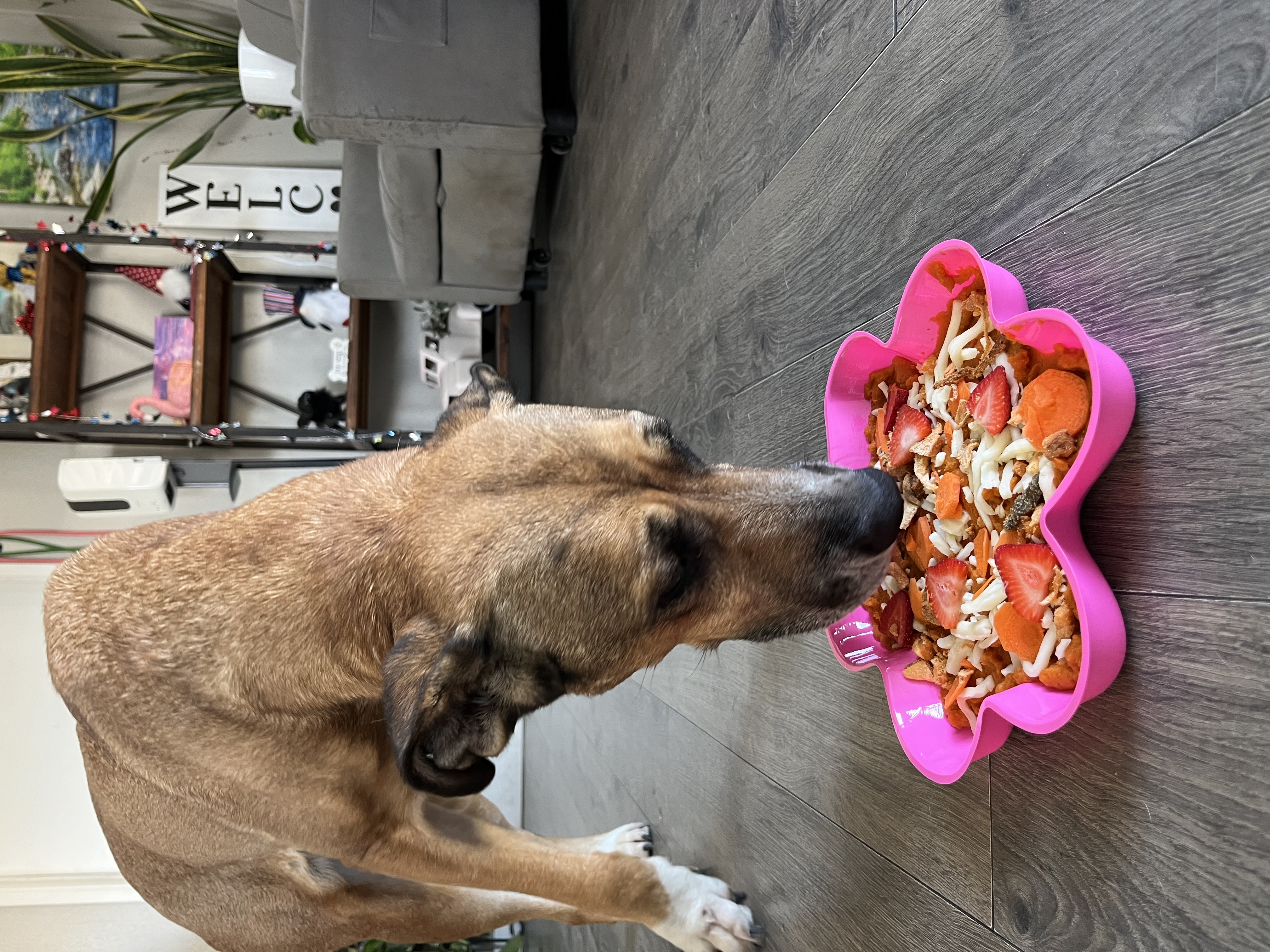
- Lick Mats: Smear some plain yogurt, peanut butter (xylitol-free!), or pumpkin puree on a lick mat and freeze it. Licking is a self-soothing behavior for dogs and this provides a long-lasting, calming treat.
Investing in Your Dog's Happiness
As your life gets busier with the return of school and work routines, providing for your dog's needs becomes even more important. Choosing an enrichment-based daycare is one of the best investments you can make in their overall health and happiness. It’s a commitment that goes far beyond simply keeping them contained while you’re away.
You are providing them with opportunities to learn, to engage their natural instincts, to build positive social skills, and to develop the confidence that comes from a predictable, safe, and stimulating environment. When you pick them up, you’ll find they are not just physically tired, but mentally satisfied and emotionally balanced. And that guilt you felt closing the door in the morning? It’s replaced by the peace of mind that comes from knowing your dog had a fantastic, fulfilling day, full of friends, fun, and purpose.