Boarding Adjustment: Understanding Changes in Your Dog’s Eating, Drinking, and Potty Habits
That little wave of guilt and worry as you drive away from the boarding facility? We get it. You’ve entrusted your furry family member to our care, and it’s completely natural to wonder how they’re settling in. One of the most common concerns we hear from pet parents revolves around their dog’s physical habits: “Is he eating enough?” “Why hasn’t she gone potty yet?” “Is she drinking water?”
These are excellent and important questions. While minor shifts in appetite, hydration, and elimination can be a normal part of adjusting to a new environment, they can also be early indicators of a health issue. Understanding the difference is key to your peace of mind and your dog’s well-being. Let's dive deep into what’s happening with your dog's body and mind during their stay, so you can feel confident and informed. At The Canine Outpost, our philosophy is to Play with Purpose. Stay with Care., and that care starts with understanding every detail of your dog’s health.
The “Why” Behind the Change: A Dog’s-Eye View of Boarding
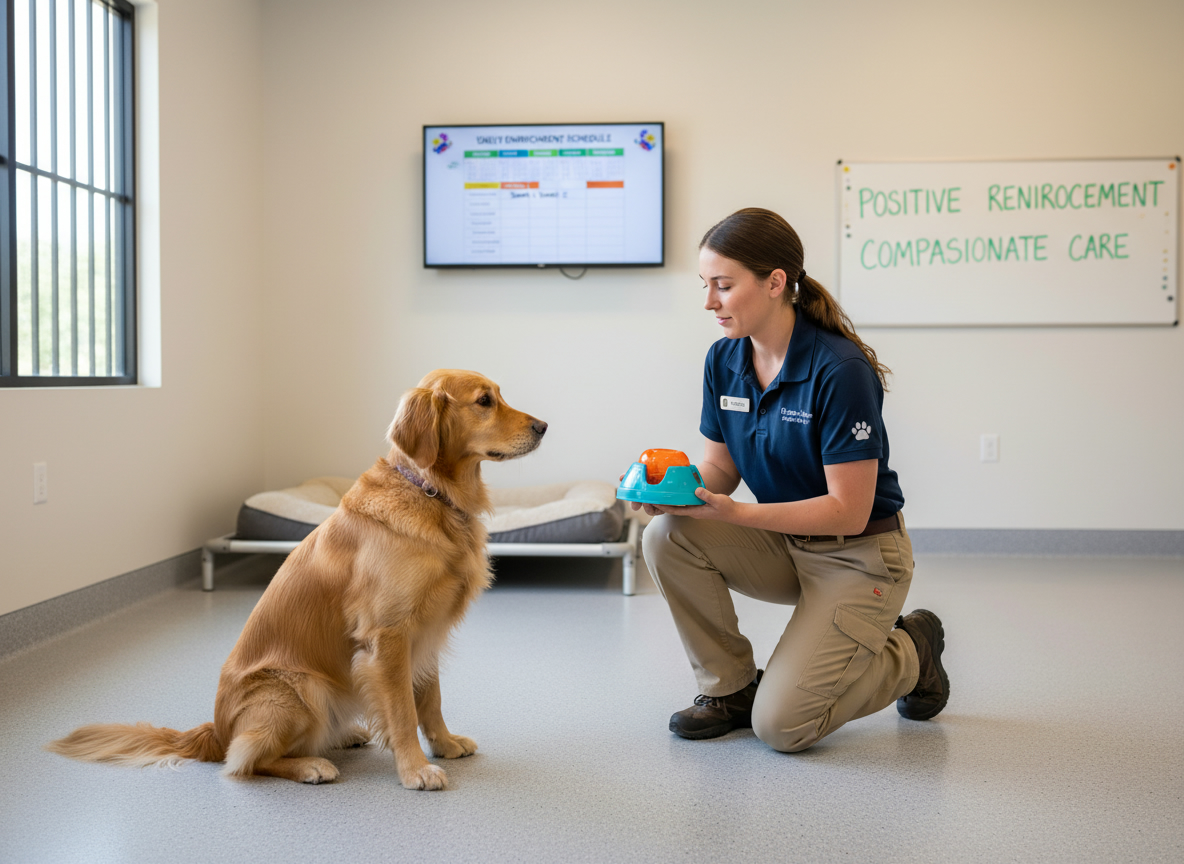
Imagine being dropped off in a new place filled with unfamiliar sights, sounds, and smells. You’re surrounded by new people and new dogs. Your daily schedule of meals, walks, and naps is different. Even for the most social and confident dog, this is a significant environmental change. This experience can trigger a physiological response often referred to as stress. It’s important to know there are two types:
- Eustress (Good Stress): This is the excitement and stimulation from meeting new friends, engaging in structured play, and exploring new enrichment activities. It’s the fun kind of arousal, but it can still be overwhelming enough to make a dog temporarily forget about their dinner.
- Distress (Anxiety): This is the anxiety that comes from uncertainty, missing family, or feeling overwhelmed. This type of stress can more directly suppress appetite and other bodily functions as the dog’s system goes into a “fight or flight” mode.
In both cases, the brain releases hormones like cortisol and adrenaline. These hormones are designed to prepare the body for action, which means they divert energy and blood flow away from non-essential functions like digestion and toward the muscles and brain. This is the core reason why a perfectly healthy dog might turn their nose up at a meal or seem to “forget” to go potty on their first day.
Decoding Your Dog’s Appetite Changes During Boarding
A change in eating habits is often the first thing owners notice. It’s a tangible metric we can track, and it’s closely linked to a dog’s overall comfort level.
When a Skipped Meal is a Normal Part of Adjustment
It is not uncommon for a dog to eat less or skip a meal or two, especially within the first 24-48 hours of boarding. Here are a few reasons why:
- Overstimulation: The sheer excitement of group play and new friends can be more interesting than food. A dog might be too wound up to feel hungry.
- Mild Anxiety: The unfamiliarity of the kennel environment can cause a temporary loss of appetite. They may be more focused on observing their surroundings than on eating.
- Neophobia: Some dogs are simply wary of eating in a new place or from a different bowl. It’s a mild form of fear of the new.
At The Canine Outpost, we mitigate this by providing private, quiet kennels for meals and rest periods. This downtime allows a dog’s nervous system to settle, which often encourages them to eat. Using enrichment like puzzle feeders or lick mats can also turn mealtime into a calming, engaging game, which can be a fantastic way to stimulate appetite.
Red Flags: When Appetite Loss Requires Closer Attention
While a temporary dip is understandable, a persistent refusal to eat is a significant concern. We distinguish adjustment from a potential health issue by looking at the complete picture. Here’s when appetite changes become a red flag for boarding health:
- Prolonged Anorexia: A dog refusing all food for more than 24 hours needs close monitoring and may require veterinary consultation. For puppies, seniors, and dogs with medical conditions like diabetes, this timeline is much shorter.
- Accompanying Symptoms: If appetite loss is paired with other signs like lethargy, vomiting, diarrhea, drooling, or abdominal discomfort, it’s no longer just an adjustment issue. This points toward a potential underlying medical problem that needs professional vet attention.
- Complete Refusal vs. Pickiness: Is the dog refusing their kibble but eagerly accepting a high-value treat? This often points to behavioral or stress-related inappetence. Is the dog refusing everything, including their favorite snacks? This is a much stronger indicator of nausea or illness.
Hydration Habits: A Non-Negotiable for Health
Unlike food, water intake is not something a dog can safely go without for long. Dehydration can happen quickly and has serious health consequences.
Why a Dog Might Hesitate to Drink
Similar to food, a dog might be too distracted, excited, or anxious to stop and drink. The water in a new location might smell or taste different, or they may be hesitant to use a new bowl. This is why we ensure fresh, clean water is available at all times in multiple locations, and we use stainless steel bowls which are non-porous and easy to sanitize, minimizing any strange odors.
The Critical Importance of Hydration and When to Worry
We monitor water intake diligently. While we can’t measure every sip, we watch for signs of both drinking and urination. A dog who is not drinking is a high-priority concern.
Refusal to drink water for an extended period is a signal for immediate action. Dehydration can exacerbate stress, lead to kidney issues, and worsen any underlying health problems. We will never simply “wait and see” if a dog refuses water. We may try to entice them with water mixed into wet food or by adding a small amount of bone broth (with owner permission), but if refusal persists, veterinary intervention is necessary. This is one of the most critical aspects of ensuring proper boarding health.
The Scoop on Potty Habits: Urine and Bowel Movements
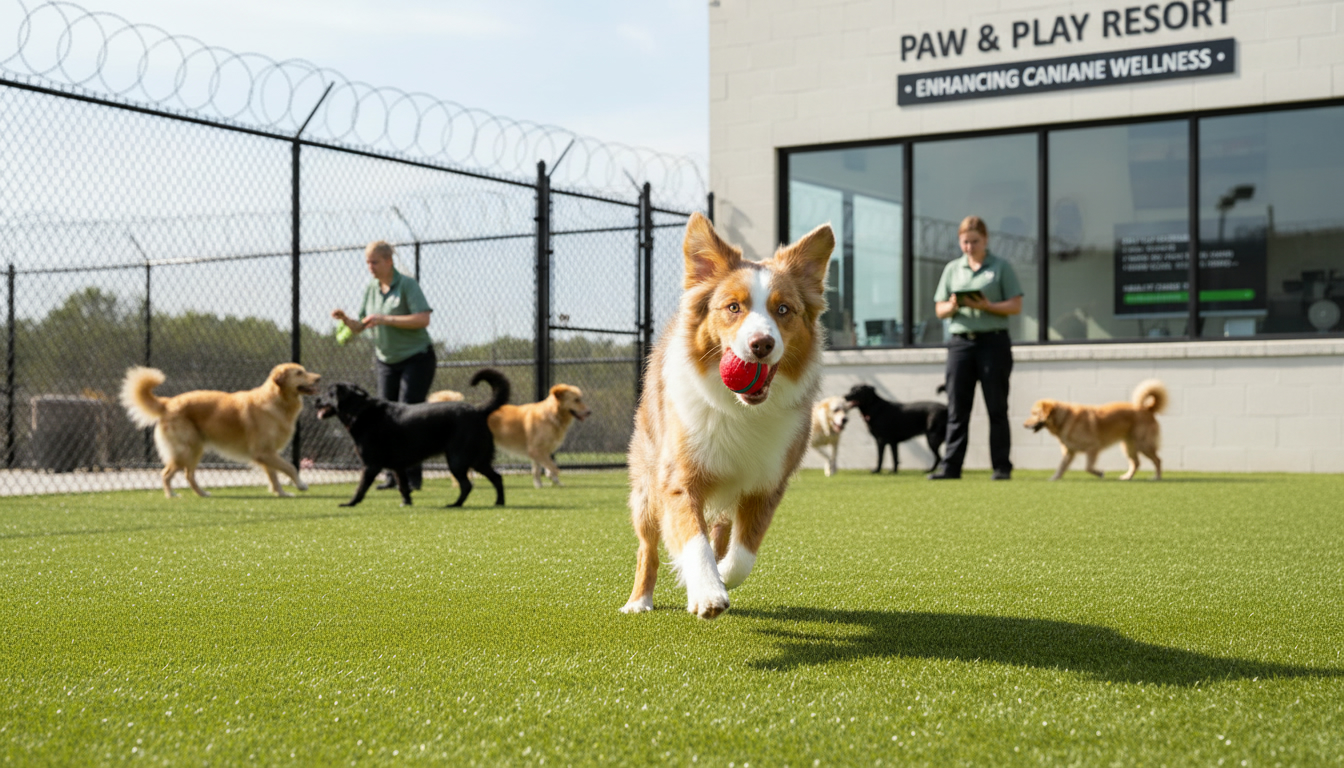
Changes in potty habits are also common and are often directly linked to shifts in eating, drinking, and activity levels.
Understanding Delayed Bowel Movements
A dog who is eating less will naturally produce less waste. It’s not unusual for a dog to go a day or even a bit longer without a bowel movement when they first arrive. Furthermore, many dogs have a strong surface preference—they’re used to going on grass and may be hesitant to use gravel, turf, or another new substrate. The stress response can also temporarily slow down the digestive system. We distinguish this normal delay from constipation by observing the dog’s behavior. A constipated dog will be actively straining, often with a hunched back, and may appear uncomfortable. A dog who is simply adjusting will not show these signs of distress.
Urine Hesitation vs. a True Urinary Emergency
Holding urine is another common adjustment behavior. Some dogs are very private about their potty habits and need time to find a spot where they feel secure. This is especially true in a new environment with other dogs around.
However, this is an area where vigilance is absolutely critical. Hesitation must be clearly distinguished from a urinary blockage. A dog who is repeatedly posturing and straining to urinate but producing only a few drops or nothing at all is experiencing a life-threatening medical emergency. This requires immediate vet attention, as a blockage can be fatal. Other urgent signs include blood in the urine, crying out while trying to urinate, or excessive licking of the area. We train our team to recognize these signs immediately.
How We Partner With You for Your Dog’s Well-Being
The best way to ensure your dog’s health and comfort is through a strong partnership between you and our care team. Your expertise on your dog is invaluable.
Your Role: Setting Your Dog Up for Success
- Share a Detailed History: Tell us everything! Does your dog get nervous in new places? Are they a picky eater at home? Do they only potty on grass? Have they had any recent health issues? The more we know, the better we can anticipate their needs.
- Keep Food Consistent: A sudden diet change can cause gastrointestinal upset, which can complicate the picture. Packing your dog’s own food is one of the best dog boarding tips to ensure consistency and comfort for their digestive system.
- Provide Clear Instructions: Let us know their exact feeding amounts and schedule, any medications they need, and any quirks we should be aware of.
Our Commitment: A Safe and Supportive Environment
Our entire facility and program are designed to minimize distress and maximize comfort. Our structured routines of play, enrichment, and rest provide predictability, which helps dogs feel secure. Our team is trained in low-stress handling techniques to build trust. We closely monitor every single dog’s inputs and outputs, and we maintain detailed logs. If we notice any changes, we communicate with you promptly to create a plan together.
Clear Guide: When Veterinary Attention is Needed
To summarize, while small adjustments are normal, certain symptoms always warrant immediate professional evaluation. Here is a clear checklist of signs that require prompt communication and likely vet attention:
- Persistent refusal of all food for more than 24 hours.
- Any refusal to drink water, especially if accompanied by lethargy.
- Repeated straining to urinate with little or no output.
- Straining to defecate without producing anything, especially if accompanied by pain.
- Visible blood in urine or stool.
- Vomiting or persistent diarrhea.
- Signs of abdominal pain (hunched posture, bloating, sensitivity to touch).
- Significant lethargy, weakness, or disorientation.
Remember, puppies, senior dogs, and those with pre-existing medical conditions (like kidney disease, diabetes, or Cushing's disease) have less of a buffer. For these dogs, even minor changes require a faster response.
Your Partner in Compassionate Care
Understanding the nuances of your dog’s behavior is at the heart of what we do. We know that behind every wagging tail or worried glance is a complex emotional and physical being. By paying close attention to appetite changes, hydration, and potty habits, we can ensure that every dog’s stay is not just fun, but also safe and healthy. If you ever have questions about your dog’s specific needs or how they might adjust to boarding, please don’t hesitate to talk with our team. We’re here to be your partner in providing the best care possible.